
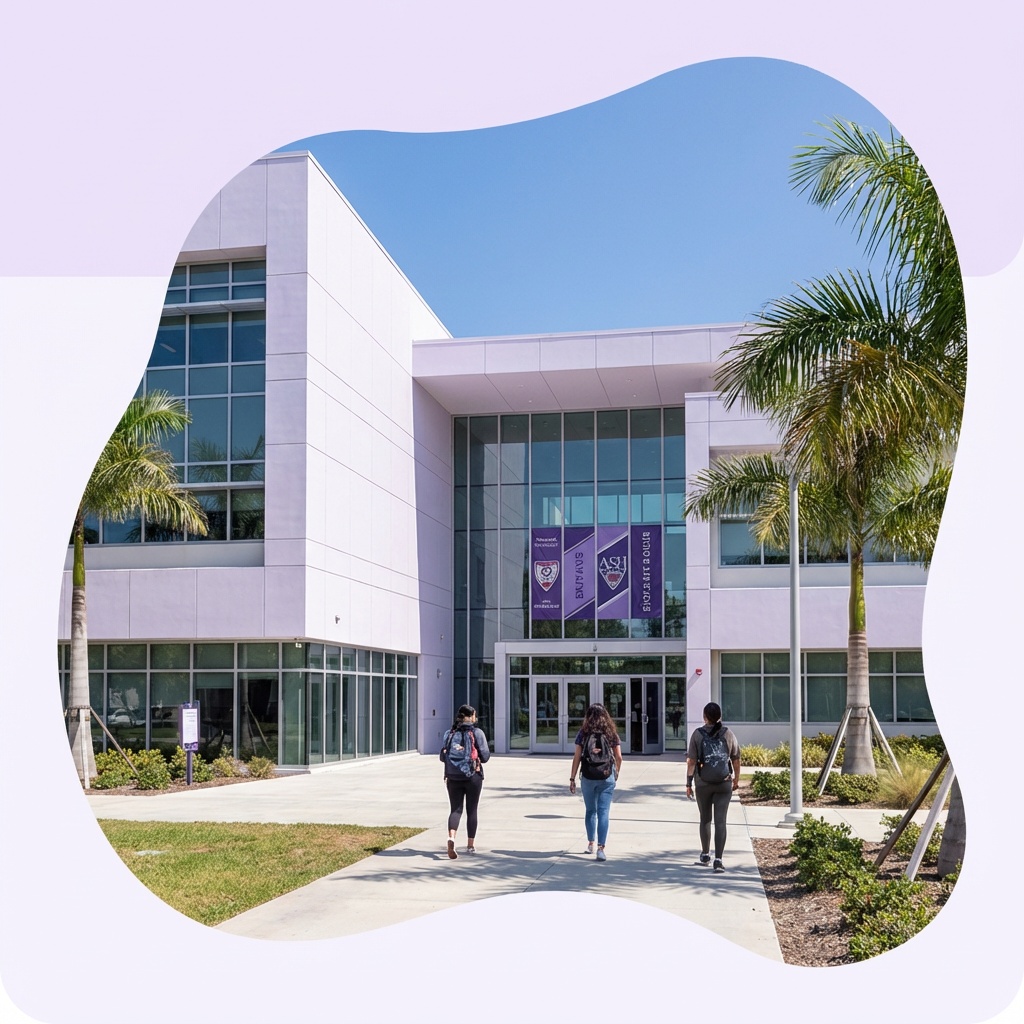
Fall Semester
August – December
~5 months · single semester
A structured first taste of the U.S. school system.

She lives in a Florida high school, between palm trees and a locker that smells like sunscreen. She speaks English better than she thought she could. She's been through a Friday-night football game she'll never stop talking about. Here's how that year actually works.
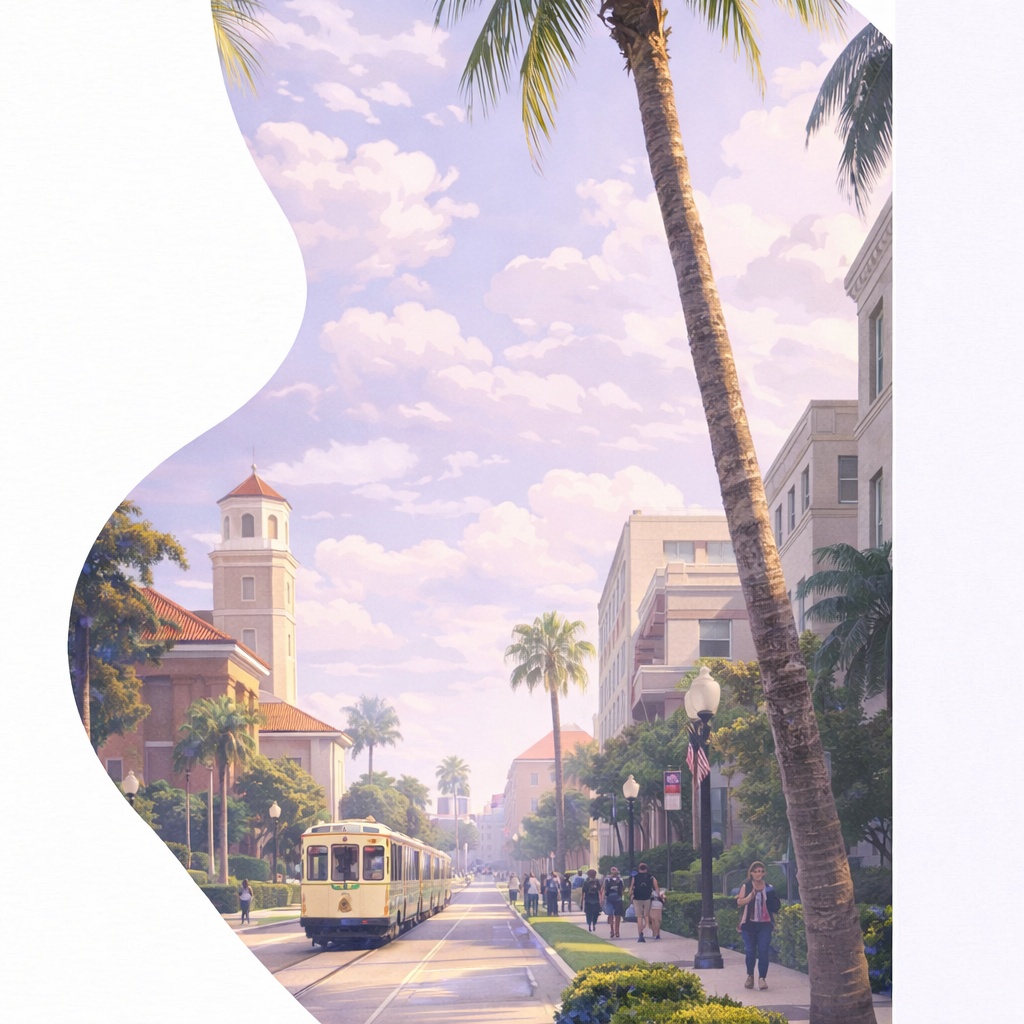
You step out of the air-conditioned airport and into the heavy Florida heat, the first sign that you've arrived. Then comes the first real meeting with your host family. Everything here is different from home; it has to be, because you didn't come here for the familiar. But I can promise you this: by the time the year is over, this place will be your home.
By October, it doesn't feel strange to start your school day with a hug or a private chat with your teachers. You are no longer a visitor; you are part of the spirit, staying on campus until 10 PM for events and cheering until your voice gives out. By December, you are decorating for the holidays with people who were strangers in August, realizing that time has suddenly begun to race.
By May, you are standing at the airport with tears in your eyes. You've built a new life under the sun, and you can't imagine leaving it behind.
That's the shape of the journey. What follows on this page is what's underneath: the calendar, the courses, the daily rhythm, and the differences worth knowing before you commit.
The American academic calendar is fixed, no flexible start dates. You join for a semester or a full year. Each option has its own rhythm.
Click through to step into each part of the school year. Mornings, classrooms, grades, what you take home with you.
Days are long but well-paced. Most students take 6 – 8 classes, each about 50 – 55 minutes. Then sports practice or a club meeting. Then home, dinner with the host family, homework, sleep.
Every U.S. high school combines a core curriculum with a long list of electives. Many schools offer 100+ courses across all four years, you'll get a printed schedule the first week with your six to eight choices.
Core (required by visa restrictions):
Electives (your choice):
If the regular course feels too easy, you can take Honors, Advanced Placement (AP), or Cambridge classes (AICE)the latter two are roughly first-year university level.
Forget the way of grading in your home country. American high schools use letter grades, each tied to a percentage range. Your grade is built from tests, essays, projects, homework, presentations, and, this surprises manyclass participation. Speaking up matters here.
GPA (Grade Point Average) is the average of all your grades on a 0.0 – 4.0 scale. Honors and AP courses are weighted higher (up to 5.0).
Each course earns credits: about 0.5 per semester course, 1.0 per year-long course. To graduate, U.S. students need 22 to 26 credits across all four years, and maybe some state tests.
Can you earn a U.S. high school diploma? Honestly, it's a challenge. But if you commit to the full 12th-grade year, that diploma is within your reach. No matter what, every student returns home with an official transcript. Even if you're only with us for one semester, your grades will tell the story of your dedication and hard work, a powerful door-opener for every future application you submit.
Sports, clubs, traditions, the way Friday afternoons feel different from Tuesday afternoons. This is where the year imprints itself.
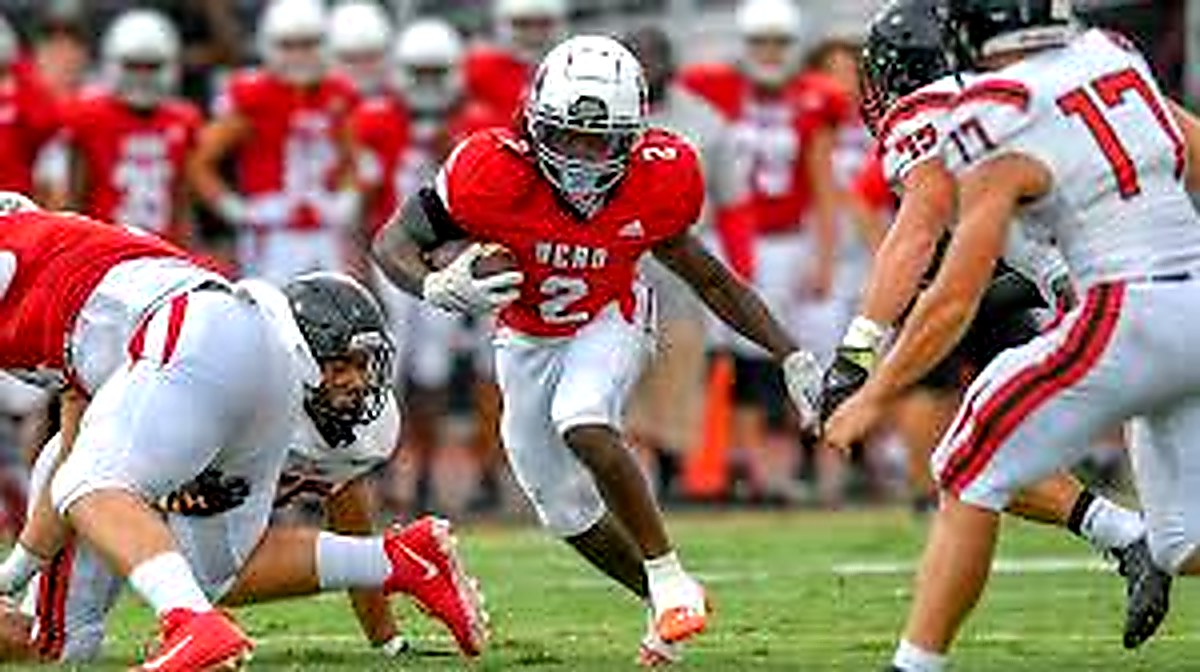
Football on Friday night. Basketball in winter. Tryouts, jerseys, team buses, mascots. Even if you've never played, you'll watch, and you'll get it.
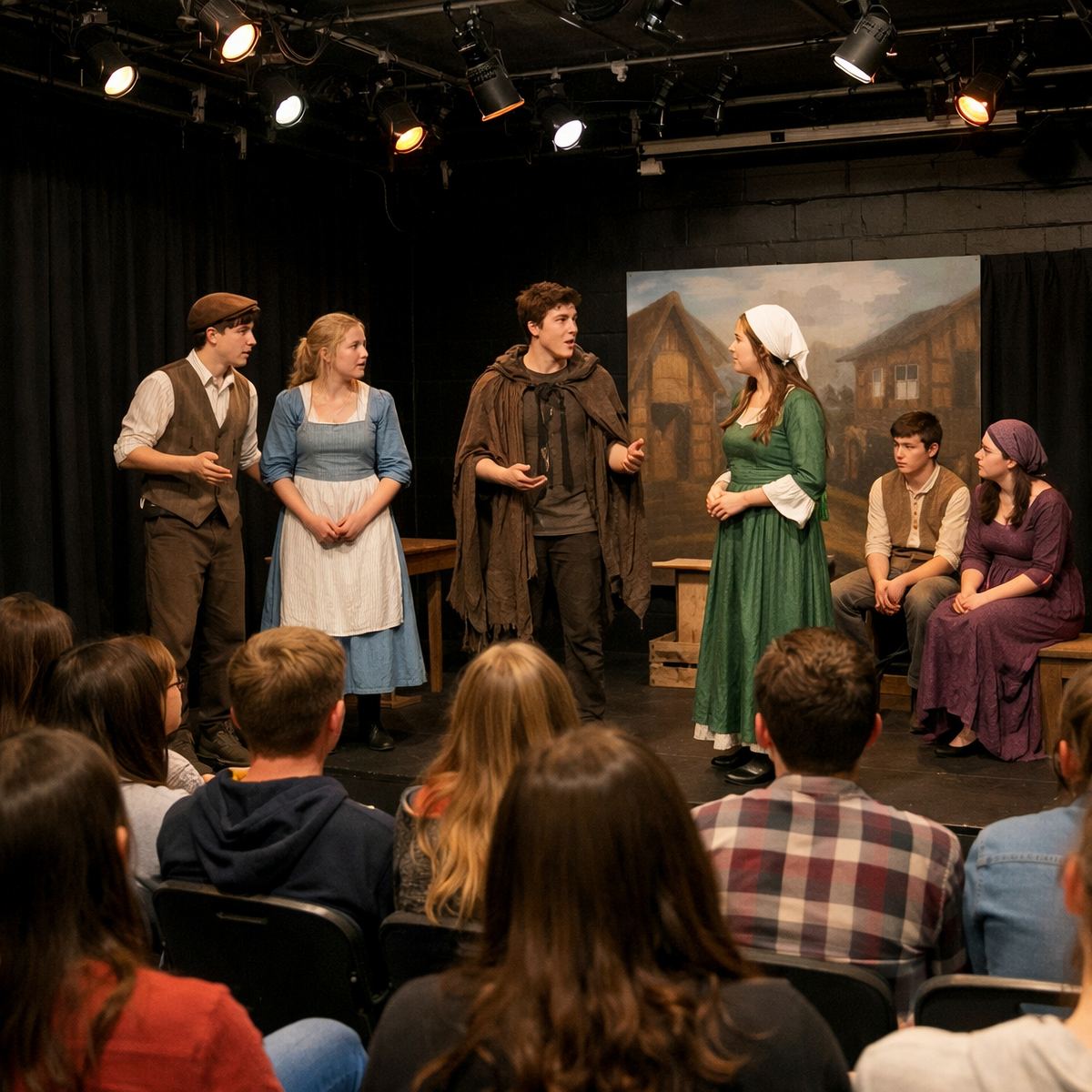
Drama, debate, robotics, Model UN, yearbook, environmental club, chess team. You'll find one. Probably two.

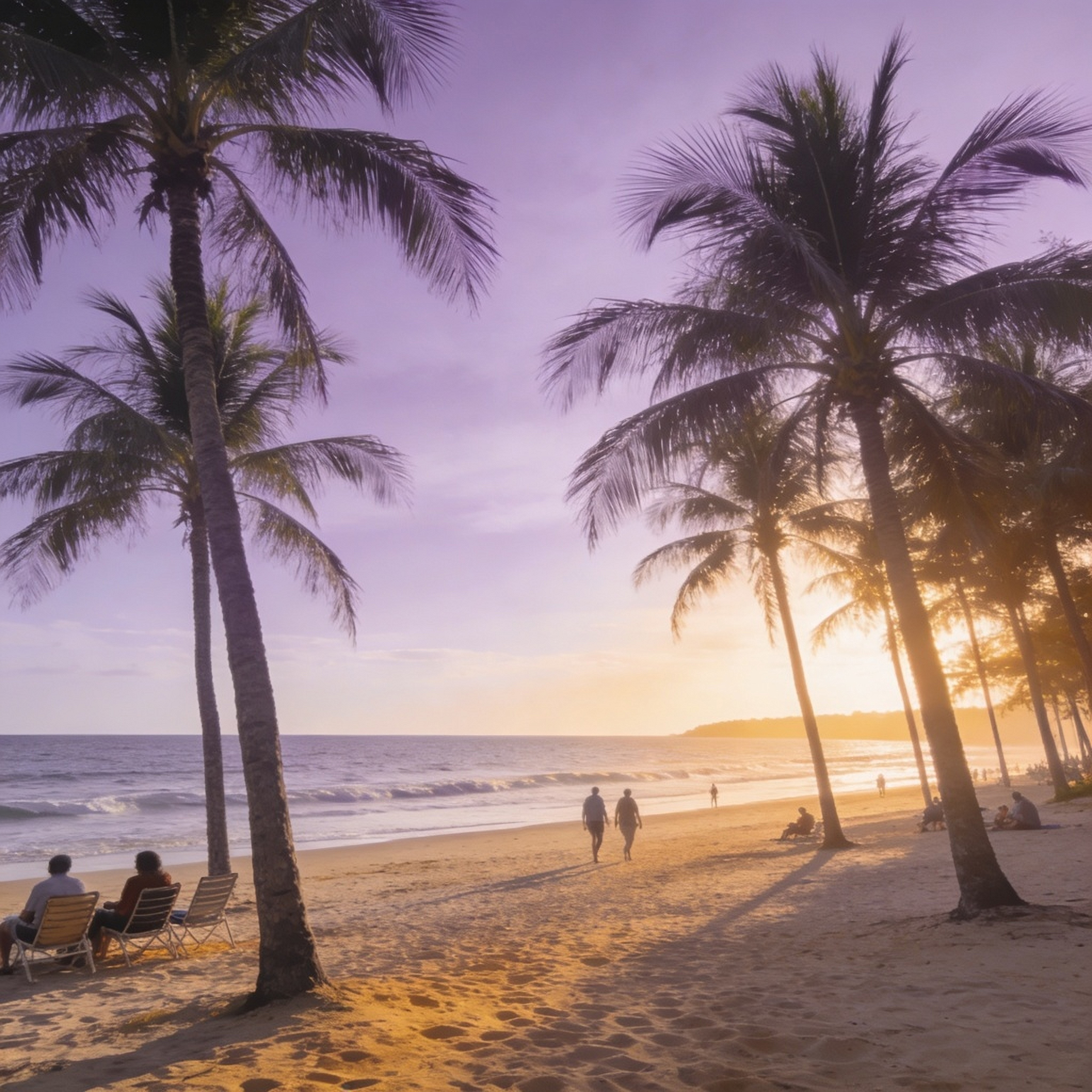
Beach trips with new friends. Rocket launch. Spring Break. Local wildlife. Just because someone said let's go.

Beach trips with new friends. Rocket launch. Spring Break. Local wildlife. Just because someone said let's go.
"I came back fluent. But that wasn't even the biggest thing. The biggest thing was that I knew I could land somewhere new and figure it out."
Lena, 17, Indian River Charter High School, Vero Beach · Year 2024–25
The biggest mental adjustment for international students isn't English, it's the way teaching, grading, and daily structure work.
No checklist replaces a real conversation. But these are the conditions that tend to make the year work, and none of them are about being perfect.
A school year in the USA is a major investment, which is why the price sits here on the page and not in the fine print. Which path fits depends on budget and preferred location.
Tuition alone at a private school like Saint Edward's runs about $37,700 a year for US families, with us it's included in the price, along with a host family we know personally and our team on the ground in Vero Beach. If something's off, someone is with your child within minutes. And if the host family truly isn't the right fit, we move them within 48 hours.
The classic exchange year through our partner organization, whose team we know personally. Honestly: placement is anywhere in the USA and not selectable, and on-site supervision is handled by the partner organization, we stay at your side via video call. Health insurance is already included here.
Both prices are minimums and are calculated individually. What exactly is included, and what isn't, is laid out transparently on the costs page.
Honest answers to the questions that come up every time, before the school year begins.
That's the right reflex. There's a lot to weigh. Tell us where you are and we'll walk you through the next questions, no pitch, no pressure.