
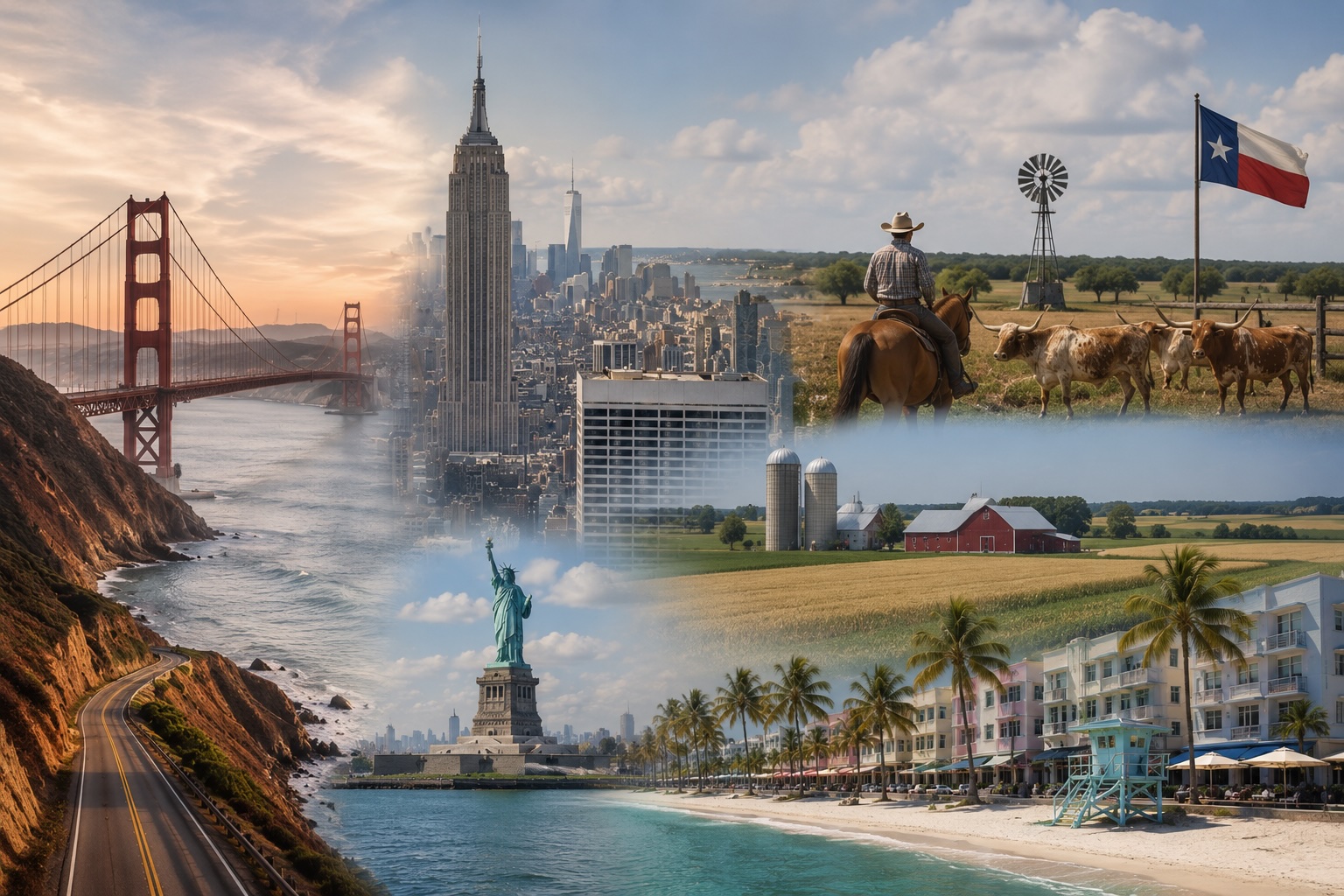
The biggest question before a year abroad isn't “which city” but “which state”. 50 options, very different realities. An honest comparison of the five regions European families actually weigh against each other, and why we specialize in Florida.
If you search for "student exchange USA" in Europe, you often have a single image in mind, Friday-night football, yellow school buses, the one American Dream. In reality, there are 50 very different countries under one flag. The summer heat in Texas is a different summer heat than in Iowa. A private school in Manhattan costs three times what a private school in Indiana does. Public schools in California tend to be huge and competitive; those in the Midwest small and personal. What a family decides in the first weeks of research shapes their child's year more than any decision after.
We're not giving an abstract overview here, but a comparison from the perspective of an organization that places students in only one of these states. That makes us partisan, we'll tell you honestly when the others are a better fit than us.
When parents tell me „we want California for Stanford“, I reply: for Stanford, your child does not need to be in California. But thirty thousand dollars more a year, yes.
What each region is first known for, the detailed profiles follow below.
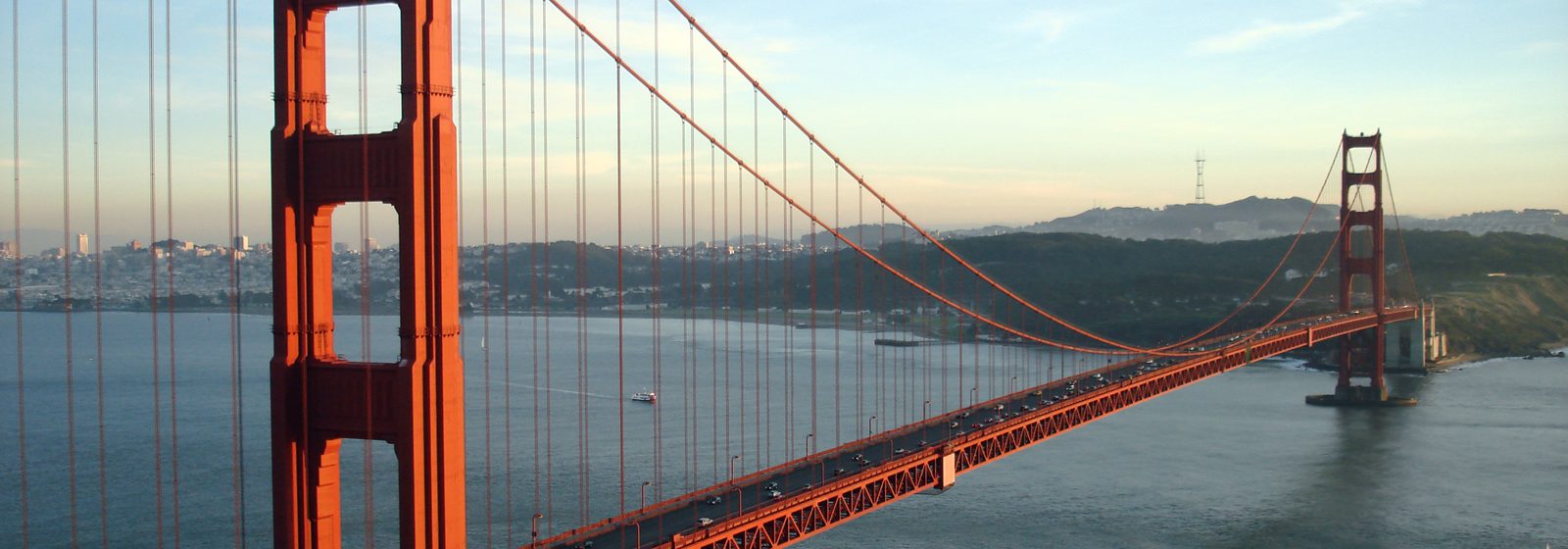
Subtropical climate in the south, Mediterranean in the north, comparable to Florida. Tech industry and academic heavyweights (Stanford, Berkeley, UCLA) shape the educational environment. Linguistic and cultural diversity, almost every school has a strong international community. Outdoor sport is possible year-round.
WeaknessesCost of living is among the highest in the U.S. Good private schools often charge USD 50,000–65,000 per year, well above Florida. Public schools are very large (2,000–4,000 students is not unusual); anonymity is real for an exchange student. The host-family pool is smaller than in most other states, waitlists and switches happen more often.
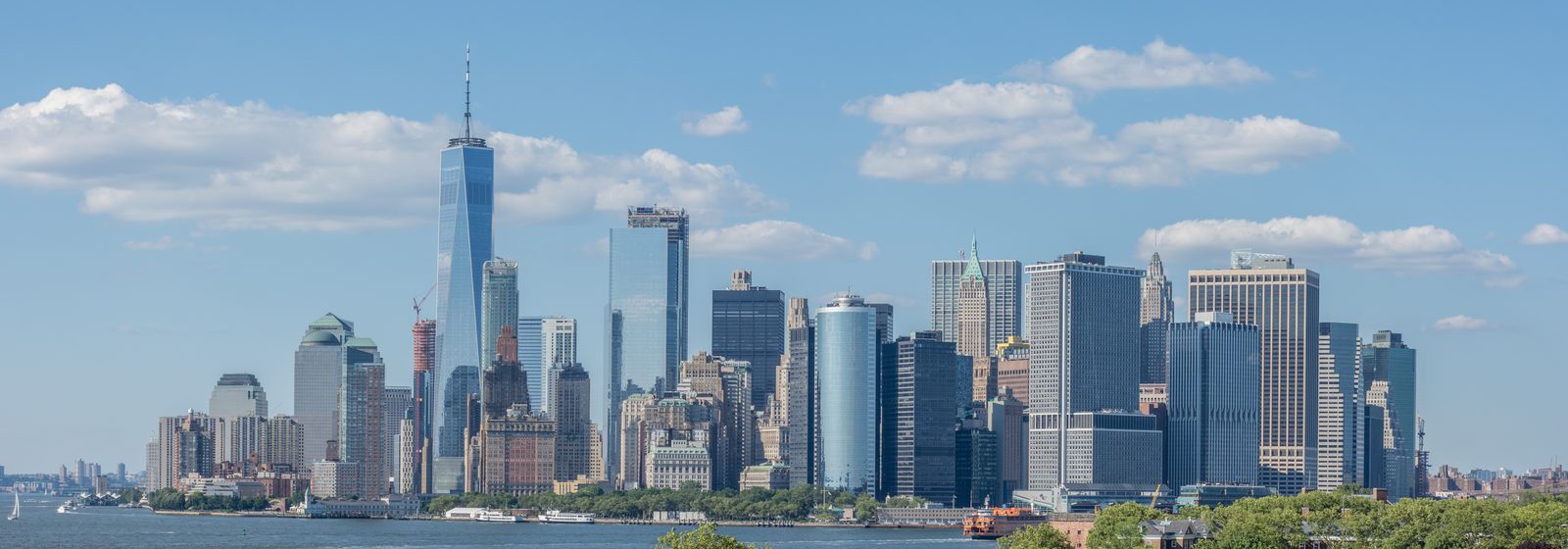
Academic heavyweight, the region between New York, Boston and Philadelphia has the densest concentration of top universities in the U.S. AP programs and SAT prep at private schools are often best in class. Cultural offerings outside school are first-rate, museums, theatres, concerts. For artistically inclined students, hard to beat.
WeaknessesFour real seasons means November through March can be very cold, severely limiting outdoor activities. High cost of living in the metro area; suburban private schools often above USD 60,000 per year. Big-city anonymity in many public schools. Commute time, "near New York" often means a 90-minute trip to school.

Economically extremely dynamic, Houston, Austin, Dallas offer broad career and STEM programs at good schools. Sport is outsized in importance (football above all), those who love sport find perhaps the most intense school-sport culture in the U.S. Costs sit well below California or New York; good public schools in suburban districts are relatively accessible for exchange students.
WeaknessesThe socio-political climate has become more conservative in recent years. New school laws regulate curricula and library content more strictly than elsewhere; the overall social climate is more conservative than on the coasts. For families who want their child in a deliberately liberal-open environment, a topic to discuss openly beforehand. Summers are extremely hot (often above 38 °C for weeks). Distances are large, little is reachable without a car.
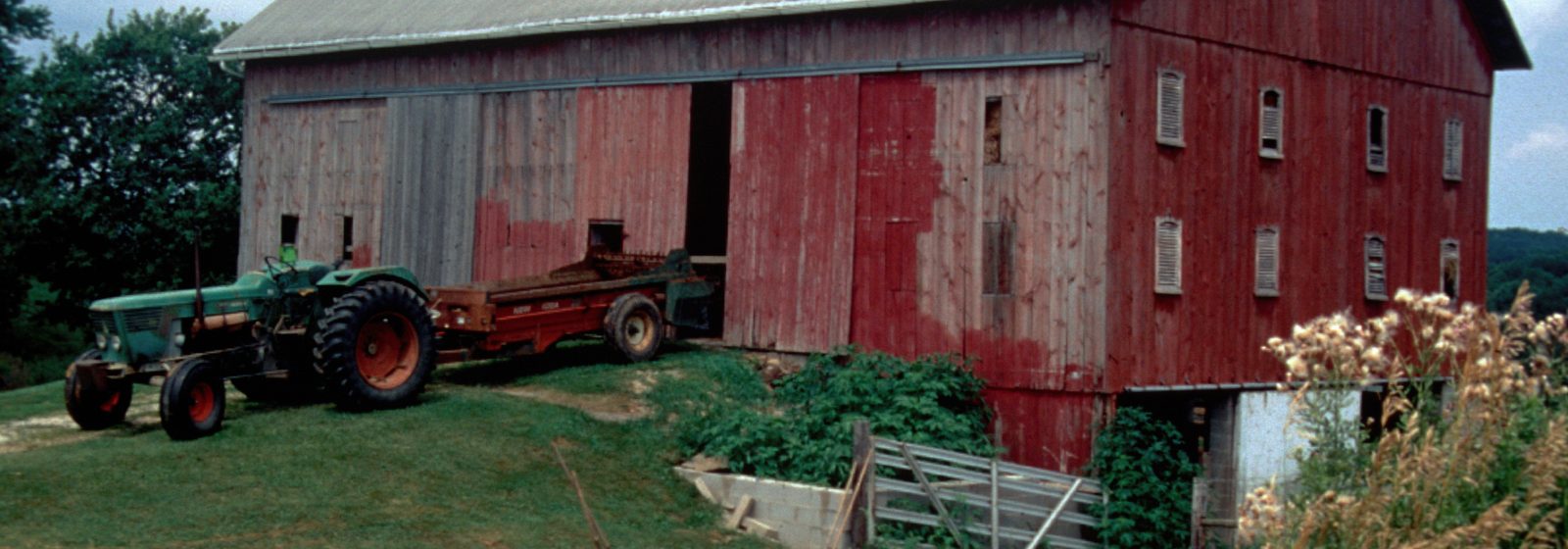
Classic American experience, Friday-night football, homecoming, prom in their purest form. Host-family culture is deeply rooted; many families have been hosting exchange students for decades. Costs are the lowest of any U.S. region. Classic J-1 public-school programs are often available from EUR 8,000. Public schools are manageable in size (300–800 students), anonymity isn't an issue.
WeaknessesGeographically far from both coasts. Travel during the school year (Florida beaches, New York weekends) is involved. The climate is harsh, very cold winters (-15 °C or colder for weeks), hot humid summers. Outdoor options heavily seasonal. Ethnic and cultural homogeneity in many smaller towns, for students from European cities, sometimes a culture shock. International students are often a rarity in their school.
If you've read this far, you know the feeling, four providers, four promises, no honest answer. Here's ours.
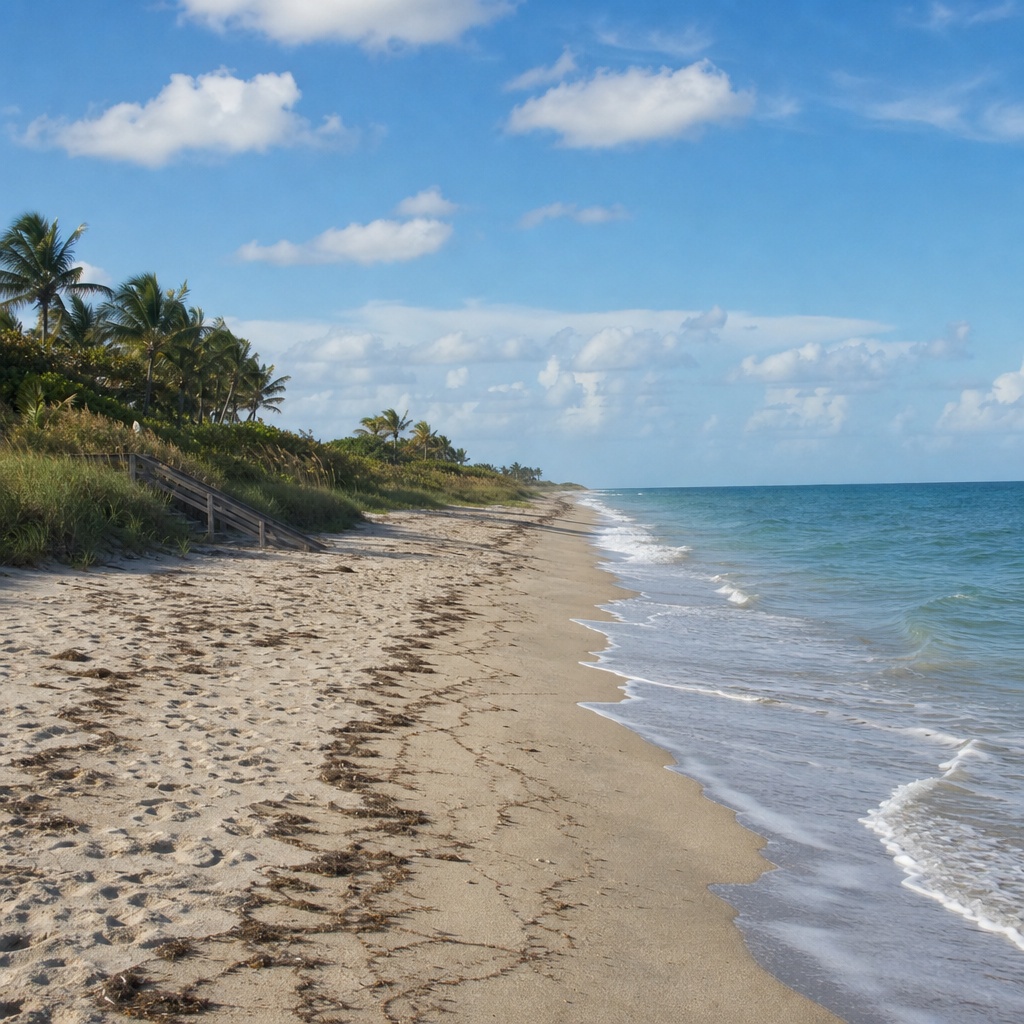
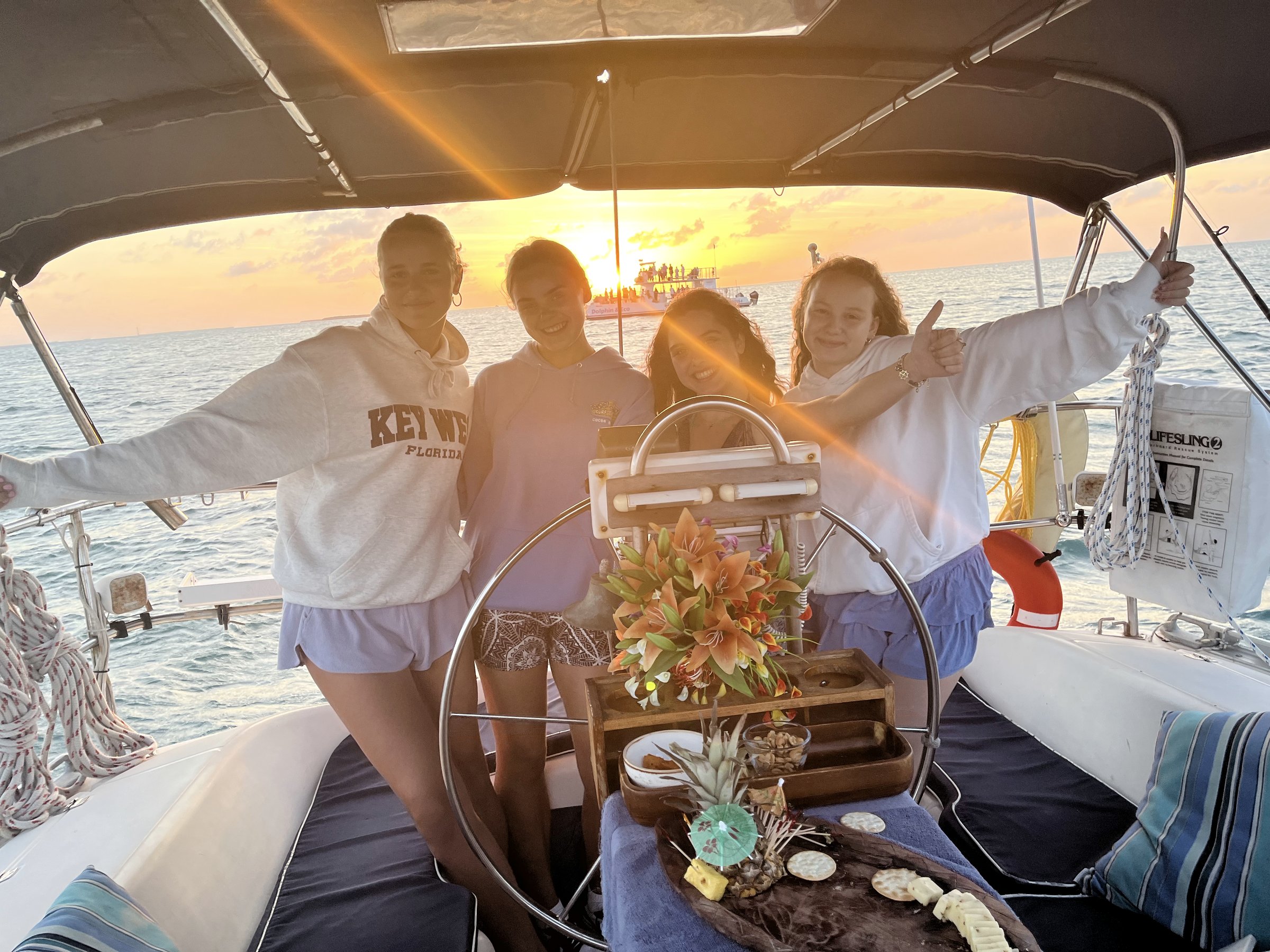
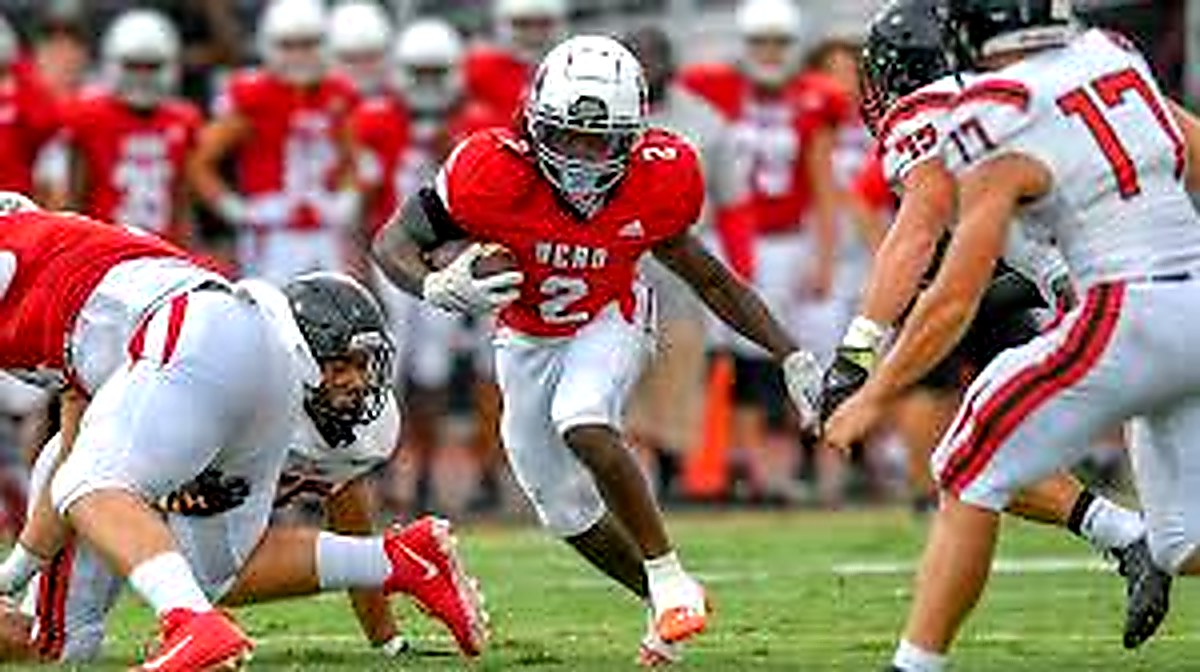
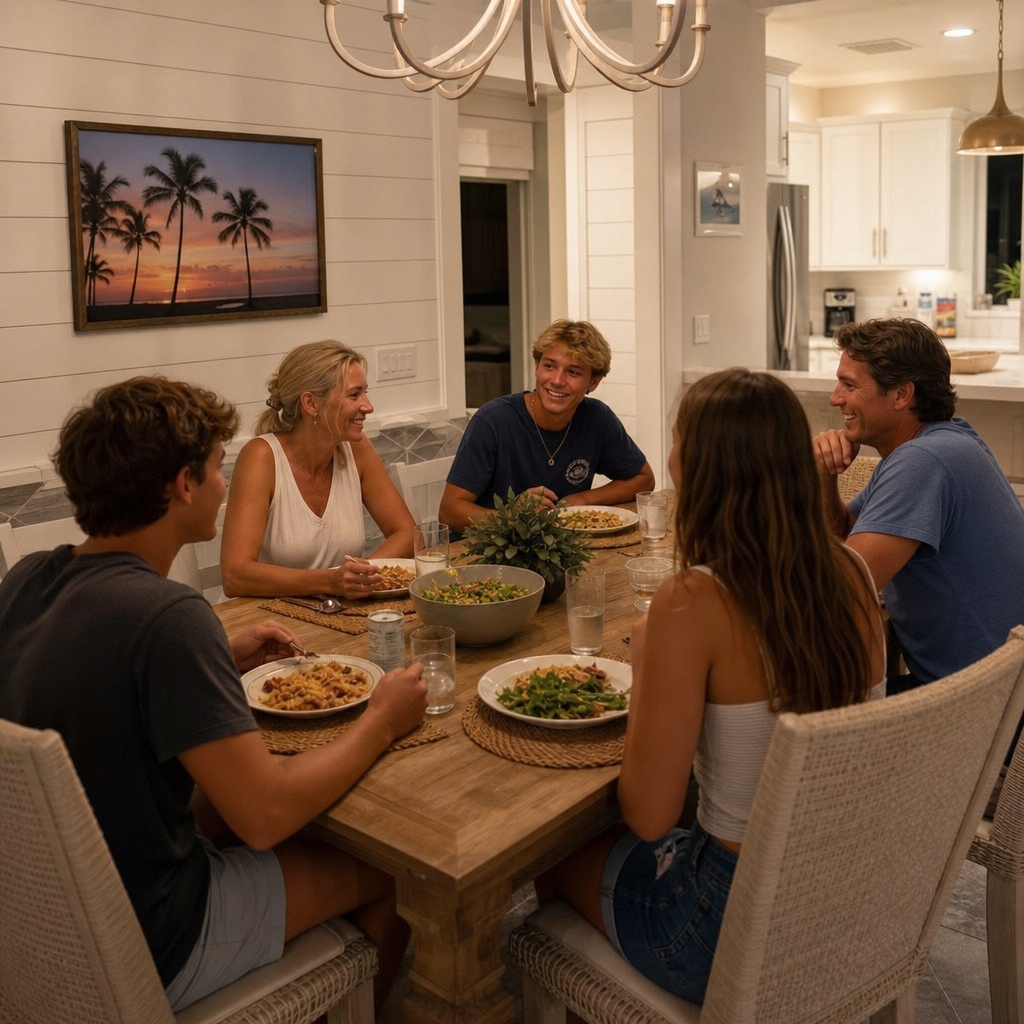
Florida sits between the extremes, cheaper than California and New York, more international than the Midwest, more politically heterogeneous and more moderate than Texas. This middle position is the reason SIDO School places students here, and why the balance for European families works out most reliably in our experience.
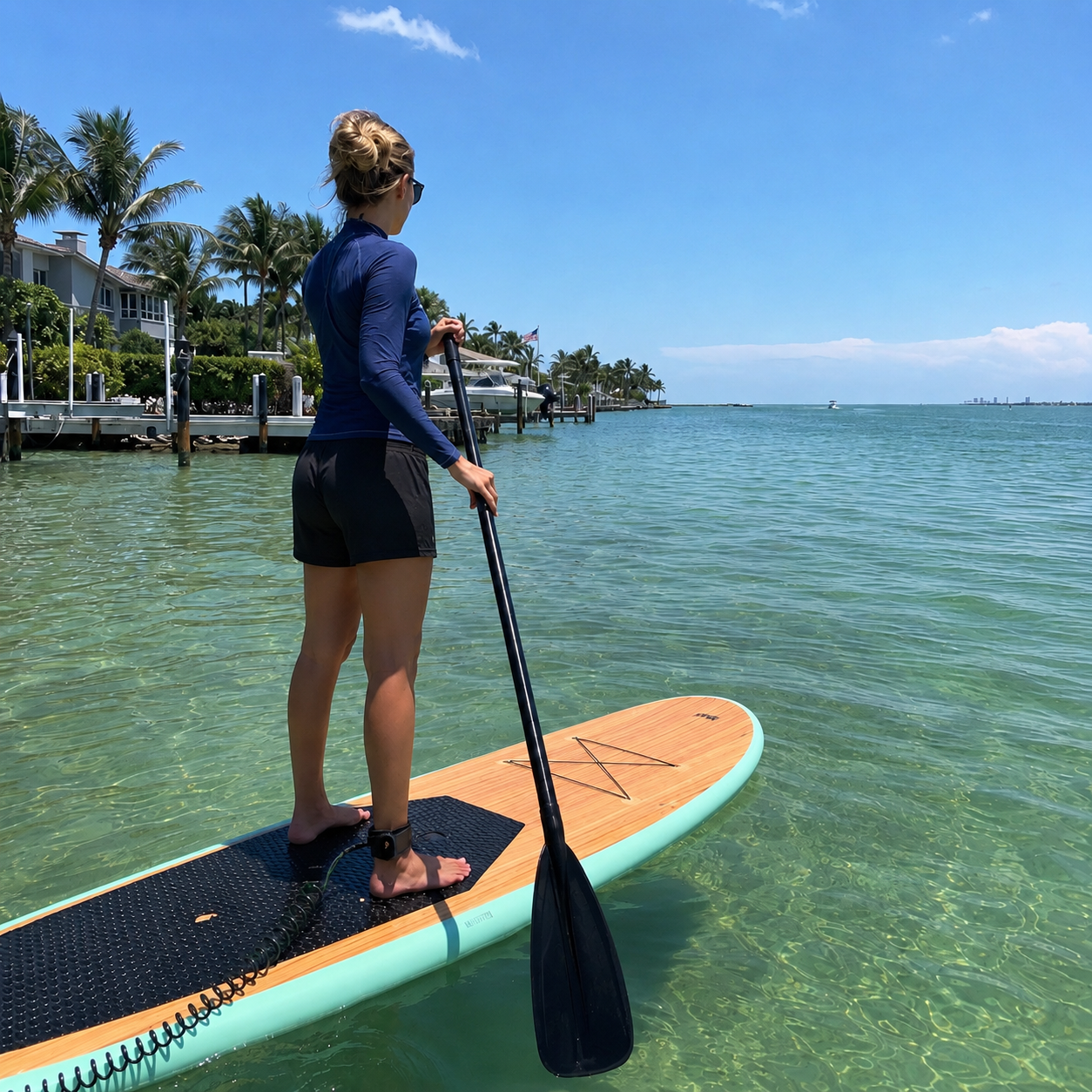
In Florida we have a subtropical climate all year round. It's usually warm, often sunny, and outdoor activities are part of the plan. The beach at the weekend, or right after school. Sailing, swimming, surfing, or simply lying on the sand. But also plenty of other sports: soccer, basketball, even ice hockey! Big parades, doing things with friends, Disney, Universal, rocket launches, that's everyday life here. Many keep in touch with their host families for years, and host families even visit their students in their home countries. This isn't a marketing line! It's lived reality!
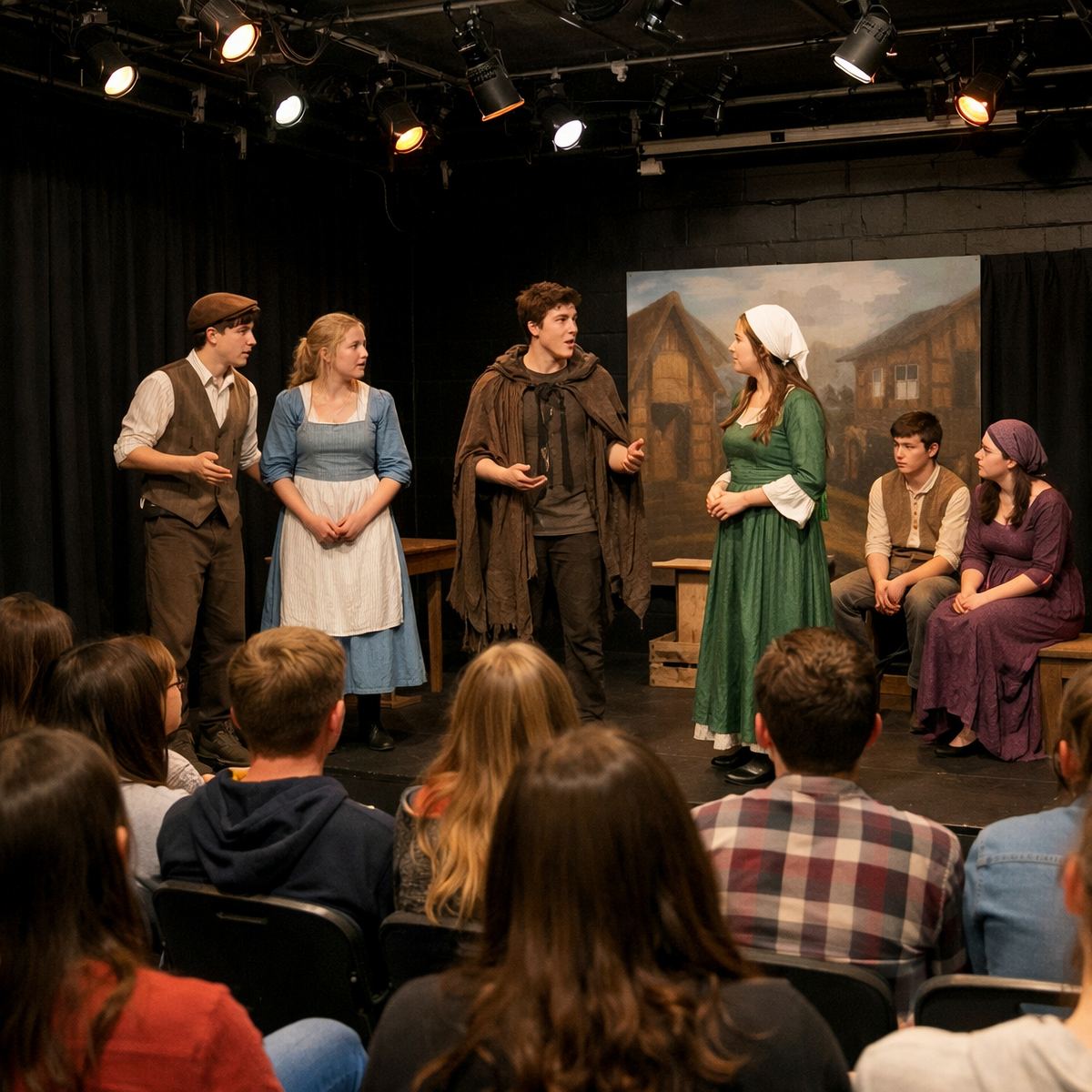
Florida has been an immigration state for decades. At our partner schools, the share of international students ranges from 5 to 48 percent. Your child isn't the odd one out, but part of a school that knows international students and offers specialised programs tailored precisely to their needs. Classes are chosen together with us, based on each student's needs and abilities. Our premium-segment schools cost 20 to 30 percent less than on the West Coast, and the academic level is matched exactly to what your child needs.
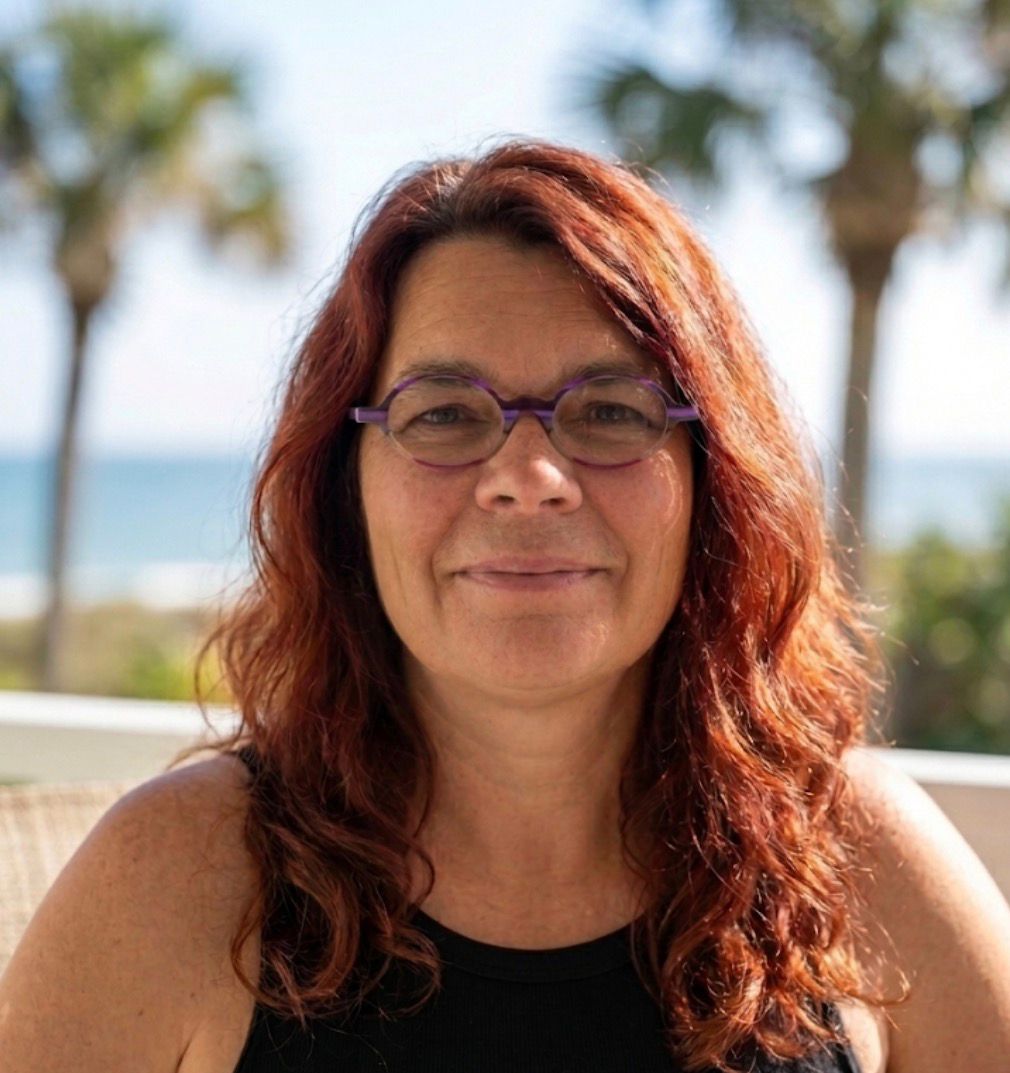
We know our host families personally. We know the partner schools, and they know us, many teachers know us directly. We are the direct link whenever there's a problem, big or small. No communication through three layers, no emails or phone queries, we talk directly with the parents at home and solve problems. Fast, direct and reliable. You can count on it!
We don't promise to create the best year of your child's life. Life is long, and it would be a shame if this one year stayed the best, many more best years should follow. But we do promise to help make this year a meaningful one. We help students gather experiences and grow.
Hurricanes are a topic too, because the school year begins in the middle of hurricane season. We have protocols, we track the weather, and we know what to do. We've lived here for ten years and won't be caught off guard.
Talk to us, before, during the stay, and after. We take care of it. That's our promise!
I only place students in schools where I would also place my own child. It sounds simple, and it is the hardest decision rule we have. It has cost us more provider partnerships than it has brought us. That is precisely why it works.
We place students exclusively in Florida. Anyone who for substantive reasons prefers California, New York or the Midwest is not poorly served by us, but better served by one of the established nationwide providers (Stepin, AIFS, Experiment, YFU). We say this openly in the consultation. What we promise is: in Florida, the best personal experience available anywhere in Europe. That much, but truly.
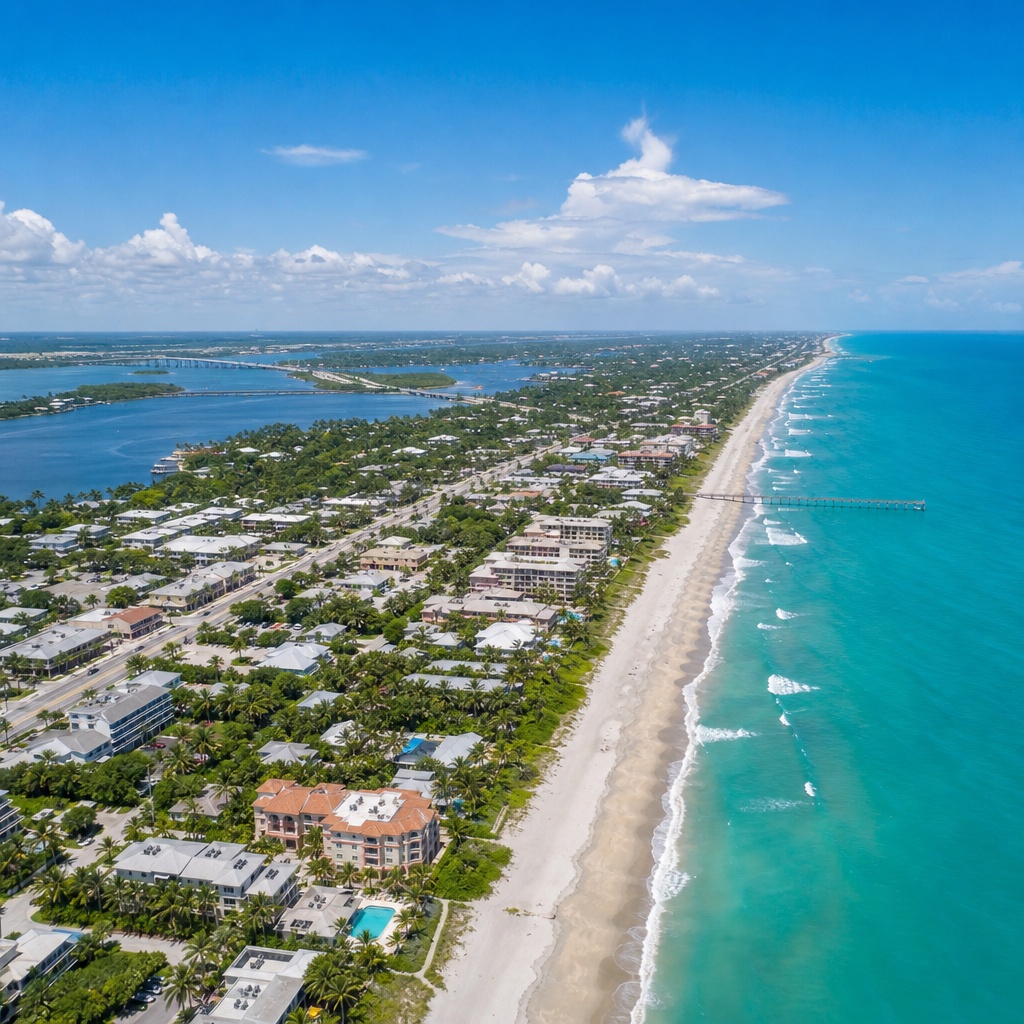
Four hand-picked partner schools, three of them in Vero Beach itselfIndian River Charter, Saint Edward's, Florida Preparatory Academy and DME Academy. A detailed comparison of program lengths and prices is on the cost page; details about Vero Beach itself are at Student Exchange Vero Beach, and the private-school angle is developed at Florida Year Abroad Private School. A 30-minute conversation is usually enough to clarify profile, school, program length and cost, bookable above in one click.
Thirty minutes on the phone, no obligation, we discuss profile, school, program length and cost. No sales pitch, no pressure. If at the end SIDO or Florida isn't the right fit, we say so.